

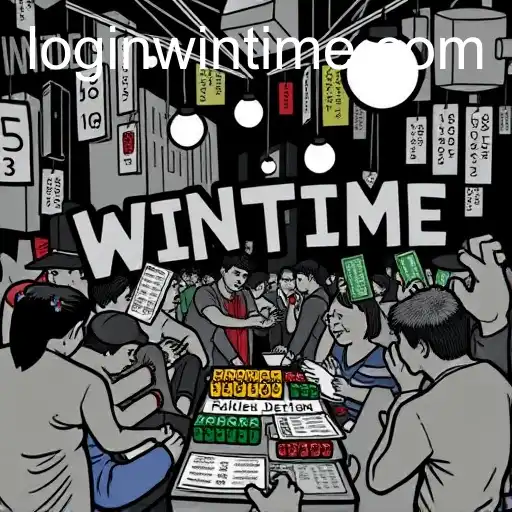

Jueteng is a popular illegal numbers game deeply rooted in the culture of the Philippines. Its origins trace back to the Spanish colonial period, illustrating a longstanding tradition within certain communities. Despite numerous government crackdowns and high-profile arrests, Jueteng remains stubbornly persistent, embedded into the fabric of everyday life across various regions.
The game operates on a simple premise. Players choose a combination of numbers, normally between 1 and 37, which are then drawn by the bookmakers. The simplicity of Jueteng, combined with its accessibility, has allowed it to flourish even under legal scrutiny.
Participation in Jueteng is uncomplicated. Players purchase their chosen number combinations from collectors who roam barrios and neighborhoods. These collectors connect to the network of operators who organize the draws. The lure of Jueteng lies in its potential for high returns; with small stakes, players dream of substantial winnings. This potential financial windfall attracts a diverse range of players, from everyday workers to those with higher economic standings.
The term WINTIME has emerged as a significant aspect of Jueteng's appeal. Although not officially sanctioned, WINTIME represents the brief moment of possibility—the time when numbers are drawn and dreams of fortune are realized. This concept has partly fueled the continuity and allure of Jueteng, as players seek the excitement that accompanies each draw.
Moreover, WINTIME encapsulates the thrill and hope associated with Jueteng. As players gather around, waiting for the draw, there is a palpable sense of anticipation. This shared communal experience adds a social dimension to the game, further embedding it in the local culture.
Jueteng occupies a unique space, straddling the line between illegality and cultural normalcy. Efforts to curb the game have repeatedly faltered, often mired in political controversies. The involvement of prominent figures in Jueteng scandals underscores the political clout and complexity surrounding the game.
Authorities have launched numerous campaigns to eliminate Jueteng, yet many critics argue that these efforts are often compromised by corruption within law enforcement agencies and local governments. The game’s persistent existence highlights systemic challenges that make eradication arduous.
Enforcing laws against Jueteng is fraught with difficulties. The decentralized nature of its operations complicates crackdowns, as authorities must navigate a maze of secretive networks. Additionally, the role of WINTIME in maintaining its allure complicates efforts. The magnetic draw of WINTIME reflects broader societal issues—a lack of economic opportunities and entrenched poverty—that compel individuals to seek alternatives, even if illegal.
The political implications of Jueteng cannot be ignored. Accusations have arisen, implicating elected officials in protection rackets that allow Jueteng operations to continue unabated. Such allegations have sparked debate about political accountability and the influence of illegal gambling on governance and electoral processes.
Beyond legal challenges, Jueteng intersects with broader socioeconomic issues. It is often seen as a symptom of deeper societal problems—economic disparity, lack of viable employment options, and insufficient social welfare mechanisms.
For many participants, Jueteng provides a temporary reprieve from economic hardship. The possibility of winning, captured in the fleeting magic of WINTIME, offers hope amidst challenging circumstances. Thus, addressing Jueteng requires multifaceted solutions that extend beyond mere legal enforcement.
Opinions on Jueteng are divided. Some argue that it serves as a form of entertainment and a minor economic stimulant, putting money into the hands of local players. Others view it as a destructive force that exploits vulnerability under the guise of opportunity.
To fully address the Jueteng phenomenon, community engagement and alternative livelihood programs play a crucial role. Empowering communities through education, job opportunities, and financial literacy can reduce reliance on illicit gambling practices.
The future of Jueteng, particularly the allure encapsulated by WINTIME, remains uncertain. While efforts to dismantle its networks persist, complete eradication demands systemic changes that address root causes, such as poverty and corruption.
Efforts to transition participants towards legal and sustainable forms of livelihood must underlie any plan to eliminate Jueteng. Only through a multifaceted approach that includes legal enforcement, political reform, and socioeconomic development can the complex issue of Jueteng be comprehensively addressed.

Dive into the mesmerizing universe of MirrorMirror, a game that mixes magical fantasy with strategic gameplay, and discover how the keyword WINTIME revolutionizes player experiences.

Discover MadHitSupernova, the exciting new game that is taking the gaming world by storm. Explore its unique features, engaging gameplay, and strategic rules, all while diving into its interstellar theme that promises an unparalleled adventure.

Dive into the exhilarating world of RushFever7s, a game that combines strategy and excitement with the allure of WINTIME bonuses.

Discover the exhilarating game RunningToro, a perfect blend of strategy and speed set in a virtual Spanish festival setting, enhanced with the WINTIME feature.
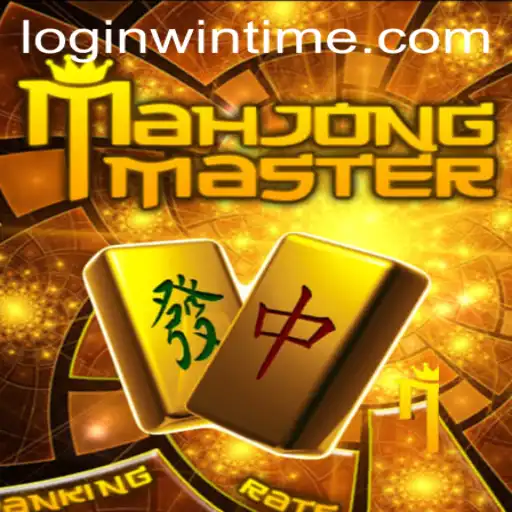
Explore the captivating world of MahJongMaster, an interactive digital reinvention of the traditional Chinese game, enhanced by the WINTIME feature.

Explore the captivating realm of MergeMagic, a game where strategy meets enchantment, and discover how the WINTIME mechanic reshapes this dynamic gaming experience.
